Blog ·
Creating a Healthy Indoor Environment: What Modern Homeowners Need to Know
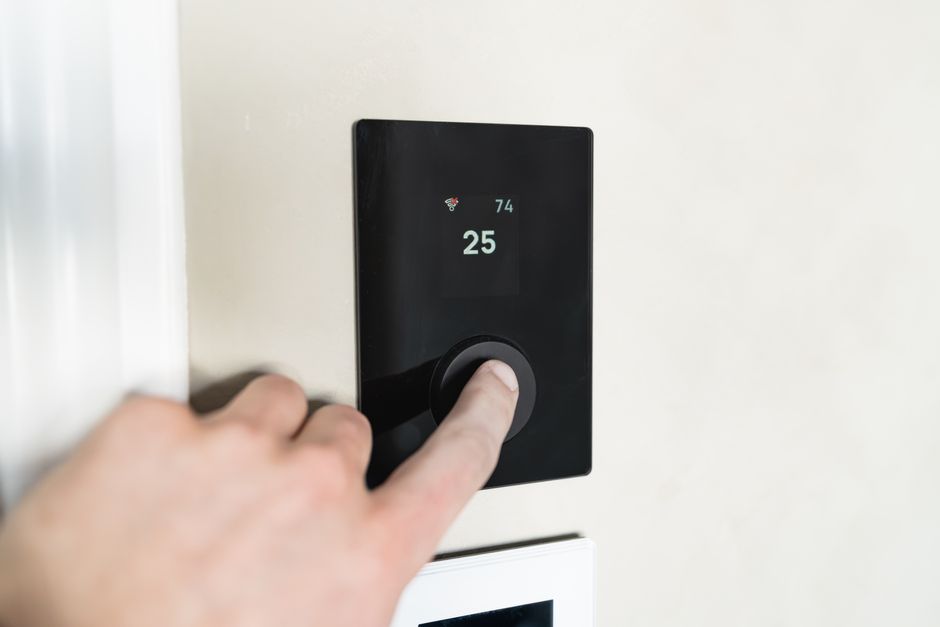
The air you breathe inside your home significantly impacts your health, comfort, and well-being. Modern construction and the desire for energy efficiency have made indoor air quality a critical consideration that extends beyond simple comfort.
Ventilation is the foundation of healthy indoor air. Fresh air exchange removes accumulated carbon dioxide, moisture, odors, and indoor pollutants. Modern homes are built tightly to improve energy efficiency, which means natural air exchange is limited. Mechanical ventilation systems ensure consistent fresh air supply without sacrificing temperature control. Heat recovery ventilation systems capture warmth or cooling from outgoing air and transfer it to incoming fresh air, providing fresh air without energy waste.
Humidity balance affects both comfort and health. Excessive moisture encourages mold growth, dust mites, and microbial problems. Insufficient humidity causes dry skin, respiratory irritation, and discomfort. Your climate and season significantly influence humidity needs. Coastal areas require dehumidification management, while cold climates often need humidification to prevent dry interior conditions. Proper ventilation and humidity control systems maintain the ideal range.
Filtration removes particles and pollutants from circulating air. High-quality filters capture dust, pollen, pet dander, and other irritants. Advanced filters target ultrafine particles and chemical contaminants. The filter grade must match your HVAC system capacity; oversized filters restrict airflow and reduce efficiency. Regular filter replacement maintains effectiveness and system health.
Air circulation patterns matter more than many homeowners realize. Stagnant areas accumulate contaminants and create comfort problems. Ceiling fans and proper ductwork design ensure air movement throughout your home, promoting even temperature and humidity distribution while preventing localized pollution buildup.
Temperature stability contributes to air quality management. Rapid temperature swings increase condensation risk and stress on air handling systems. Consistent temperatures reduce moisture problems and allow humidity control systems to function optimally.
Source control prevents indoor pollution before it accumulates. Proper material selection, adequate storage for chemicals and cleaners, and off-gassing awareness during renovations reduce indoor pollutant sources. Some building materials and furnishings release volatile organic compounds; understanding these sources helps minimize exposure.
Monitoring your indoor environment provides concrete data about conditions. Carbon dioxide levels, humidity readings, and temperature consistency reveal whether your ventilation and climate control systems maintain healthy conditions.
A healthy indoor environment requires attention to ventilation, humidity balance, filtration, air circulation, and source control. When these elements work together effectively, your home supports better health while maintaining the comfort and protection your family deserves.